What if everything you thought you remembered about The Karate Kid… wasn’t the real story at all?
Years later,doesn’t just live in memory—it lingers in the chest, quietly, persistently, like a lesson you didn’t realize you were still learning.
Because beneath the kicks and discipline… there’s something far more personal unfolding.
Something that hurts.
And heals.
What This Film Is Really About
At first glance, it’s a familiar formula: a kid, an outsider, a mentor, a final fight.
But look closer—and the film reveals a deeper, almost uncomfortable truth.
This isn’t a story about kung fu.
It’s about loneliness.

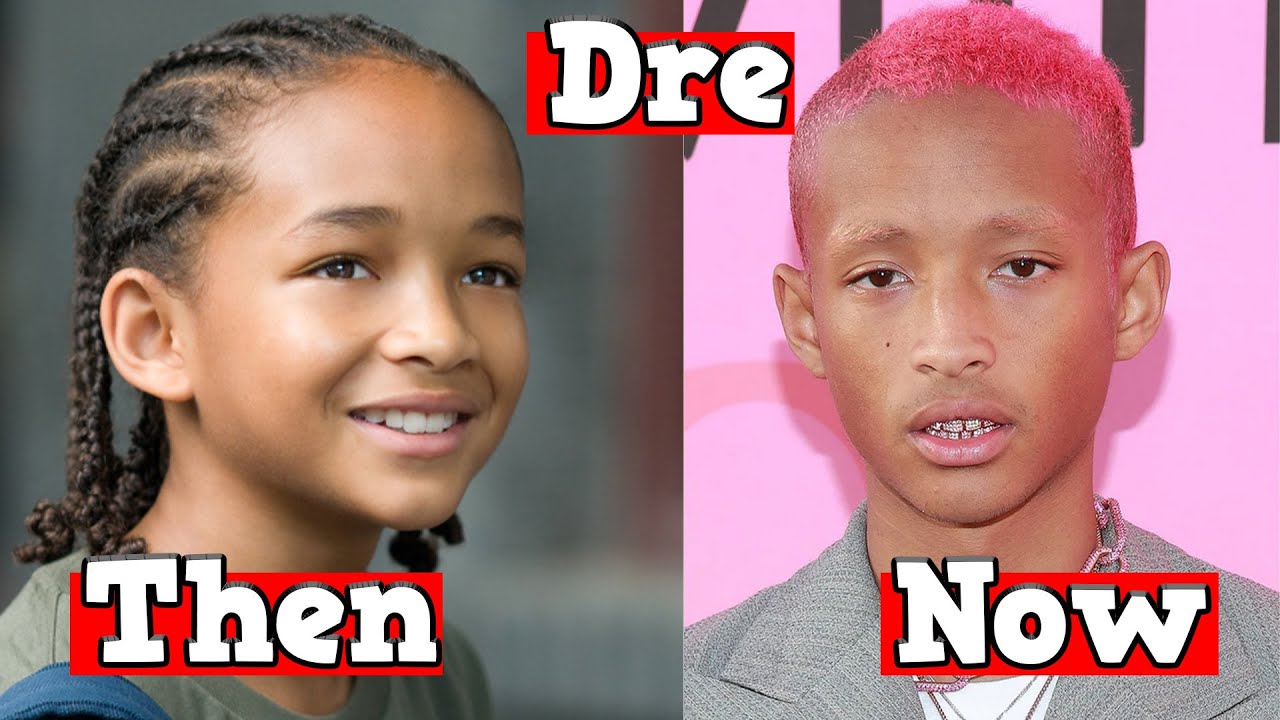
Dre Parker’s journey isn’t defined by his opponents—it’s shaped by his isolation. Uprooted from everything familiar, he’s dropped into a world where language fails him, culture confuses him, and every day feels like survival.
The real battle?
It’s internal.
“Sometimes the hardest opponent isn’t in front of you—it’s the fear you carry inside.”
That’s the film’s quiet thesis—and it hits harder with age.
Performance & Characters
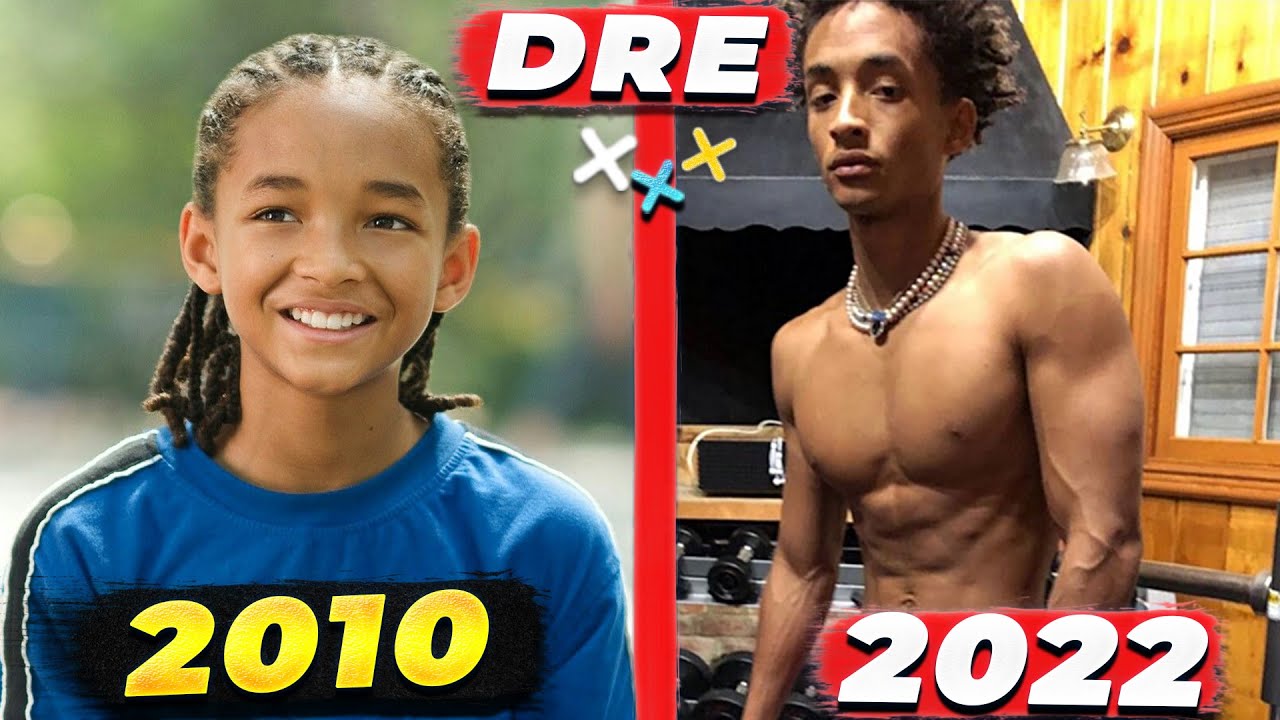
Jaden Smith as Dre Parker
delivers a performance that feels strikingly unfiltered.
There’s no polished heroism here.
No artificial confidence.
Just a kid—angry, scared, confused—trying to make sense of a world that suddenly turned hostile.
And that’s exactly why it works.
His vulnerability becomes the film’s emotional engine. You don’t just root for him—you recognize him.
Wenwen Han as Meiying
brings a delicate balance of strength and softness that the film desperately needs.
She isn’t just a love interest.
She’s a moment of light in an otherwise heavy emotional landscape.
Her presence feels effortless—but its impact is lasting.
In a film about struggle, she represents possibility.

Jackie Chan as Mr. Han
And then there’s completely subverting expectations.
This is not the comedic, high-energy Chan audiences were used to.
This is restraint.
This is grief.
This is a man carrying invisible weight.
His performance is the film’s quiet masterpiece.
Especially in one devastating scene that doesn’t rely on action—but on pain.
And it lingers.
Visuals, Tone, and Direction
Director Harald Zwart makes a choice that many modern films are afraid to make:
He lets the story breathe.
The camera lingers. The pacing stretches. The silence speaks.
China is not just a setting—it’s a living, breathing emotional landscape.
- Wide shots emphasize Dre’s isolation
- Color tones shift with emotional beats
- Training sequences feel ritualistic, not performative
Even the repetition—jacket on, jacket off—becomes symbolic.
Not of training.
But of transformation.
Slowly.
Almost invisibly.
Until it clicks.

What Works — And What Doesn’t
What Works
- Deep emotional core that transcends its genre
- Authentic cultural immersion that feels respectful and real
- Powerful mentor-student dynamic that evolves naturally
- Performances that prioritize vulnerability over spectacle
What Doesn’t
- Pacing can feel deliberately slow for action-focused viewers
- Certain narrative beats follow predictable structure
- The tournament climax, while satisfying, leans into formula
It almost loses itself in familiarity…
But then it reminds you—this was never about the ending.
It was about the journey to get there.
Final Verdict
The Karate Kid (2010) is not just a remake.
It’s a reinterpretation that trades nostalgia for nuance.
It dares to be quieter.
More reflective.
More human.
And that’s why it endures.
“Years pass. Styles change. Audiences move on. But stories that make you feel seen? Those never leave.”
This film doesn’t just teach discipline.
It teaches resilience.
And maybe—without you even realizing it—it taught you something about yourself, too.
That’s why you’re still thinking about it.
That’s why it still matters.