What happens when gods stop being immortal—and start being afraid?
“Gods of Egypt 2: Rise of the Serpent” doesn’t just raise the stakes. It tears down the heavens and dares you to watch the collapse.
And somehow… it almost redeems everything the original got wrong.
What This Film Is Really About
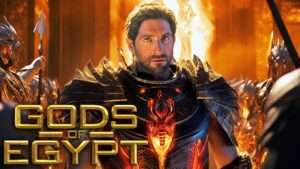
Beneath its towering CGI battles and mythological spectacle, :contentReference[oaicite:0]{index=0} is not just another sequel—it’s a story about power losing its meaning.
The gods are no longer untouchable. The balance between divine and mortal has fractured, and from the abyss rises a force that doesn’t want to rule—it wants to consume.
A serpent. Ancient. Relentless. Hungry for divinity itself.
This isn’t about good versus evil.
It’s about survival.
The uneasy alliance between Horus and Set becomes the emotional spine of the film, forcing former enemies to confront an uncomfortable truth: sometimes your greatest threat is the one thing you can’t dominate.
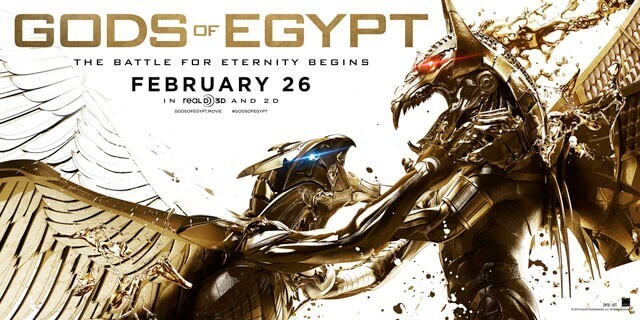
Performance & Characters
Let’s address the heart of the film—the returning duo.
Horus and Set: Rivals Turned Reluctant Allies
:contentReference[oaicite:1]{index=1} brings a weary gravitas to Horus, portraying a god who has seen too much loss to believe in destiny anymore. There’s a quiet desperation behind his eyes—a rare vulnerability for a character once defined by pride.
Opposite him, :contentReference[oaicite:2]{index=2} leans into Set’s brutality—but this time, there’s restraint. A calculating edge. A sense that even chaos has limits when extinction looms.
Their chemistry?
Electric. Volatile. Unpredictable.
And that’s exactly why it works.

The Forgotten Deity
The true standout, however, is the serpent entity—a villain that feels less like a character and more like a force of nature. It doesn’t monologue. It doesn’t negotiate.
It devours.
And every moment it’s on screen, you feel it.
Visuals, Tone, and Direction
This is where the film dares to evolve—and mostly succeeds.
The original film was criticized for its excess. This sequel embraces that excess… but refines it.
- Massive celestial battles that feel weighty, not hollow
- Darkened skies over the Nile that create a constant sense of dread
- Creature design that leans into horror rather than fantasy
The tone is noticeably darker.
Heavier.
More myth than spectacle.
The direction understands something crucial: scale means nothing without consequence. And here, every battle feels like it costs something.
“When gods begin to fear death, the world stops feeling safe.”

What Works — And What Doesn’t
What Works
- The emotional stakes: Finally, the gods feel human in the best way
- The central conflict: The serpent is a genuinely terrifying antagonist
- The pacing: Tighter, more focused than its predecessor
- The atmosphere: A bold shift into darker fantasy territory
What Doesn’t
- Occasional CGI overload: Some sequences still lean too heavily on visual chaos
- Side characters: A few feel underdeveloped, existing only to move the plot forward
- Dialogue inconsistencies: Moments of brilliance clash with lines that feel overly simplistic
It almost collapses under its own ambition…
But then it pulls you back in.

Final Verdict
“Gods of Egypt 2: Rise of the Serpent” is not perfect—but it is something far more interesting.
It’s a sequel that dares to confront its own mythology, stripping away invincibility and replacing it with fear, betrayal, and consequence.
And in doing so, it becomes unexpectedly compelling.
This isn’t just a bigger movie.
It’s a bolder one.
If you dismissed the original, this sequel might surprise you. If you loved the spectacle, this one gives you more—but with teeth.
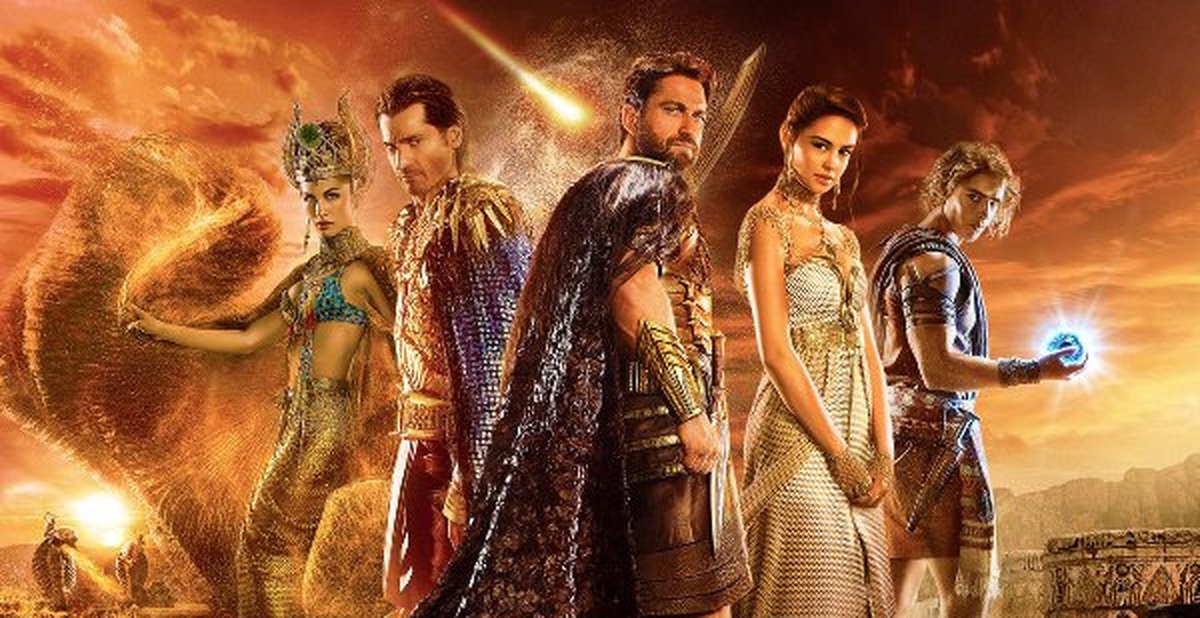
Rating: 7.8/10
Because sometimes, the most dangerous evolution isn’t power.
It’s vulnerability.