For years, Marvel movies have flirted with darkness without fully surrendering to it.
“BLADE: KING OF HELL” doesn’t flirt.
It drags the Marvel Cinematic Universe straight into damnation — and leaves it there screaming.
This isn’t just another superhero film with horror aesthetics layered on top. It feels like Marvel looked at its polished legacy of gods, multiverses, and clean-cut heroism… and decided to burn it all to the ground.
And somehow, against all odds, it works.
What This Film Is Really About
On the surface, BLADE: KING OF HELL (2026) is an apocalyptic supernatural war film packed with demons, Hellfire, corrupted skyscrapers, and brutal R-rated violence.
But beneath the chaos lies something far more disturbing.
This is a story about what happens when a hero realizes saving the world may no longer be possible.
New York is gone — spiritually, morally, almost physically. Mephisto has transformed the city into a living underworld where hope feels extinct. The once-proud Avengers Tower stands twisted into a monument of failure, looming over a civilization already consumed by darkness.
Blade enters this nightmare believing he can still fight it.
He’s wrong.
That realization becomes the emotional engine of the film. Every battle pushes Blade closer to a horrifying truth: monsters cannot defeat Hell using human morality.
Sometimes survival demands becoming something worse.
That idea hangs over the movie like smoke.

Performance & Characters
Mahershala Ali Gives Blade a Soul Torn Between Rage and Damnation
Mahershala Ali doesn’t portray Blade as a traditional MCU hero.
He plays him like a man already spiritually dead.
There’s exhaustion behind every line delivery. Pain buried beneath every act of violence. His Blade feels ancient, cursed, and terrifyingly isolated in a world collapsing faster than he can save it.
And that emotional weight elevates the film enormously.
Because when Blade finally embraces Hellfire, it doesn’t feel triumphant.
It feels tragic.
“The most chilling moment in the film isn’t when Blade kills a demon — it’s when he realizes he no longer fears becoming one.”
Ghost Rider Brings Pure Chaos Energy
The introduction of Ghost Rider detonates the movie’s energy into something savage and unpredictable. Every scene involving Hellfire feels visually feral, transforming the film from gothic horror into supernatural warfare.
The chemistry between Blade and Ghost Rider works because neither man trusts redemption anymore.
They aren’t heroes trying to save the world.
They’re condemned souls trying to stop reality from collapsing entirely.

Mia Goth’s Lilith Is Absolutely Terrifying
Mia Goth steals scenes without raising her voice.
Her portrayal of Lilith feels ancient and deeply unsettling — less like a villain and more like a cosmic force older than morality itself. She seduces not through romance, but through emotional corruption, slowly convincing Blade that Hell doesn’t need a king because it already found one.
And honestly?
She may become one of Marvel’s most unforgettable antagonists.
Visuals, Tone, and Direction
This movie looks like a nightmare trapped inside a cathedral.
Rain falls like black ash across ruined streets. Blood-red lightning cracks over corrupted skyscrapers. Demonic creatures crawl through abandoned subway tunnels while Hellfire tears across the screen with horrifying beauty.
The atmosphere is oppressive in the best possible way.
Unlike many modern superhero films overloaded with artificial brightness and endless CGI noise, BLADE: KING OF HELL embraces shadows. Darkness consumes nearly every frame, creating a world that feels spiritually poisoned.
And the R-rating matters.
The violence here isn’t cartoonish spectacle. It’s brutal, intimate, and ugly. Every fight feels fueled by desperation instead of flashy choreography alone.
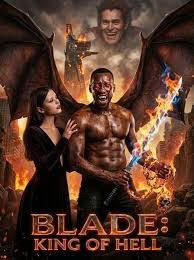
Then comes the transformation.
The wings.
The crown of darkness.
The moment Blade fully abandons the last fragments of his humanity.
It’s horrifying.
And visually unforgettable.

What Works — And What Doesn’t
What Works
- Mahershala Ali’s emotionally devastating performance
- A genuinely dark and mature MCU tone
- Stunning gothic-horror cinematography
- Mia Goth’s chilling portrayal of Lilith
- Ghost Rider’s explosive supernatural presence
- Brutal R-rated action with emotional consequences
- A bold ending that completely rejects traditional superhero formulas
What Doesn’t
The film’s relentless darkness may alienate viewers expecting classic Marvel optimism. Some sections dive so deeply into mythology and demonic lore that casual audiences could struggle to keep up.
But honestly, that risk is exactly what makes the movie feel alive.
Marvel finally stops playing safe here.
And you can feel it in every frame.
Final Verdict
BLADE: KING OF HELL (2026) is not just a reinvention of Blade.
It’s a rebellion against the modern superhero genre itself.
Where most comic-book films end with hope, this one ends with sacrifice so catastrophic it permanently reshapes the meaning of heroism. Blade wins the war against Mephisto… but loses himself completely in the process.
That ending lingers.
Because it refuses to comfort you.
There are no clean victories here.
No triumphant return.
No smiling celebration.
Only a throne built from damnation — and a hero condemned to sit upon it forever.
Blade is no longer protecting Hell from monsters.
He has become the monster protecting the world from Hell.
Early Rating: 9.4/10
A vicious, emotionally haunting gothic horror epic that may become the boldest and most unforgettable chapter Marvel has ever dared to create.