There are moments in cinema that feel scripted for maximum emotional impact. And then there are moments like this—raw, unscripted, and almost too powerful to witness.
What happens when the men who once defined invincibility are finally forced to confront mortality?
This is that story.
What This Film Is Really About
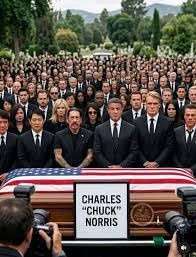
Though it plays out like a scene from a deeply reflective biopic, this isn’t fiction. It’s a real-life moment involving three titans of action cinema: :contentReference[oaicite:0]{index=0}, :contentReference[oaicite:1]{index=1}, and :contentReference[oaicite:2]{index=2}.
At its core, this “story” is not about death—it’s about legacy, brotherhood, and the quiet dignity of warriors when the battle is no longer on screen.
Chuck Norris, who passed away at 86, wasn’t just an actor. He was a living embodiment of discipline, a six-time undefeated karate champion, and a cultural icon whose presence made audiences feel safer just by existing.
And now, he’s gone.
But the story doesn’t end there.
It evolves.

Performance & Characters
Bruce Willis: The Silent Warrior
There is something profoundly devastating about seeing Bruce Willis—once the embodiment of grit and resilience—standing fragile, recently discharged from the hospital, battling frontotemporal dementia.
He doesn’t speak.
He doesn’t need to.
His trembling hand at Norris’s grave says everything words never could.
This is not a performance. This is truth.

Steven Seagal: The Unlikely Anchor
Often a controversial figure, Steven Seagal steps into a different role here—one stripped of ego and spectacle.
He stands behind Willis’ wheelchair, steady and silent.
Not as a star.
But as a brother.
It’s a reminder that beneath the headlines and personas lies something older, almost sacred: loyalty.
Chuck Norris: The Absent Presence
Ironically, the man who doesn’t appear in this moment dominates it completely.
Chuck Norris is felt in every gesture, every pause, every breath.
His legacy isn’t just remembered—it lingers.

Visuals, Tone, and Direction
If this were a film, the setting would be described as minimalistic—but devastatingly effective.
- A quiet cemetery
- Muted colors
- No audience, no applause
- Just wind, memory, and silence
The “direction” here is life itself, and it makes a bold choice: restraint.
No swelling music.
No dramatic monologues.
Just presence.
And somehow, that makes it more cinematic than anything Hollywood has produced in years.
Sometimes, silence is the loudest tribute.

What Works — And What Doesn’t
What Works
- Unfiltered emotional authenticity
- The contrast between past strength and present vulnerability
- A rare glimpse into real brotherhood beyond the screen
- The symbolic weight of three legends representing an entire era
What Doesn’t
- There is no narrative closure—and that’s the point
- It’s almost too painful for those who grew up idolizing them
It almost feels unbearable…
But then it becomes unforgettable.

Final Verdict
This is not just a moment—it’s a mirror held up to everything we thought we understood about strength, fame, and legacy.
Chuck Norris, Bruce Willis, and Steven Seagal once stood as untouchable figures of cinematic power.
Now, they stand as something far more human.
And far more meaningful.
“At ease, Grandmaster. Bruce is here. We haven’t forgotten the path you blazed for us.”
This isn’t just a tribute.
It’s a quiet, devastating reminder:
Even legends fade—but brotherhood doesn’t.